



The Korean Skincare Ingredients Your Routine Needs
“Korean skincare ingredients are often rooted in a blend of traditional herbal properties alongside cutting-edge skin science – a powerhouse combination!” explains Space NK’s senior skincare buyer, Julie Philips, explaining that as we are getting more and more clued up on the importance of skin barrier health, many K-beauty ingredients have grown in popularity. “What makes them super special is the focus on supporting long-term skin health and prevention rather than targeting concerns as they arise”.
If you've ever wondered what snail mucin does, why centella asiatica is perfect for sensitive skin, or why everyone is talking about PDRN right now, you've come to the right place. Allow us to take you to skin school as we delve into the Korean skincare ingredients to have on your radar.
Your Guide To Korean Skincare Ingredients
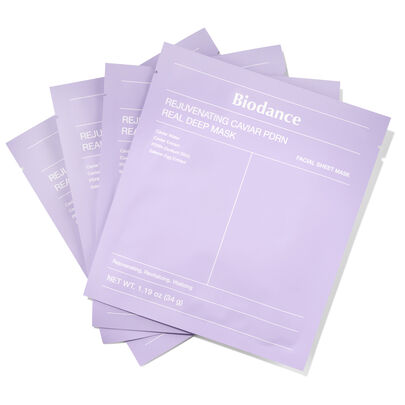
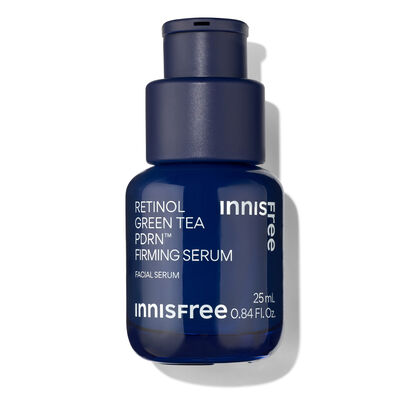
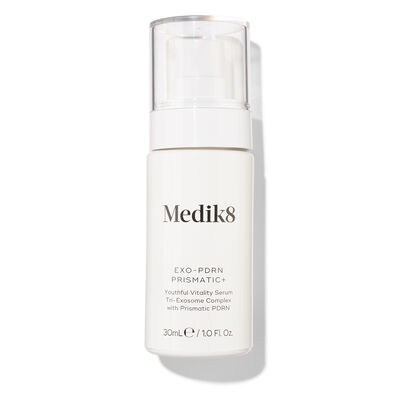
PDRN
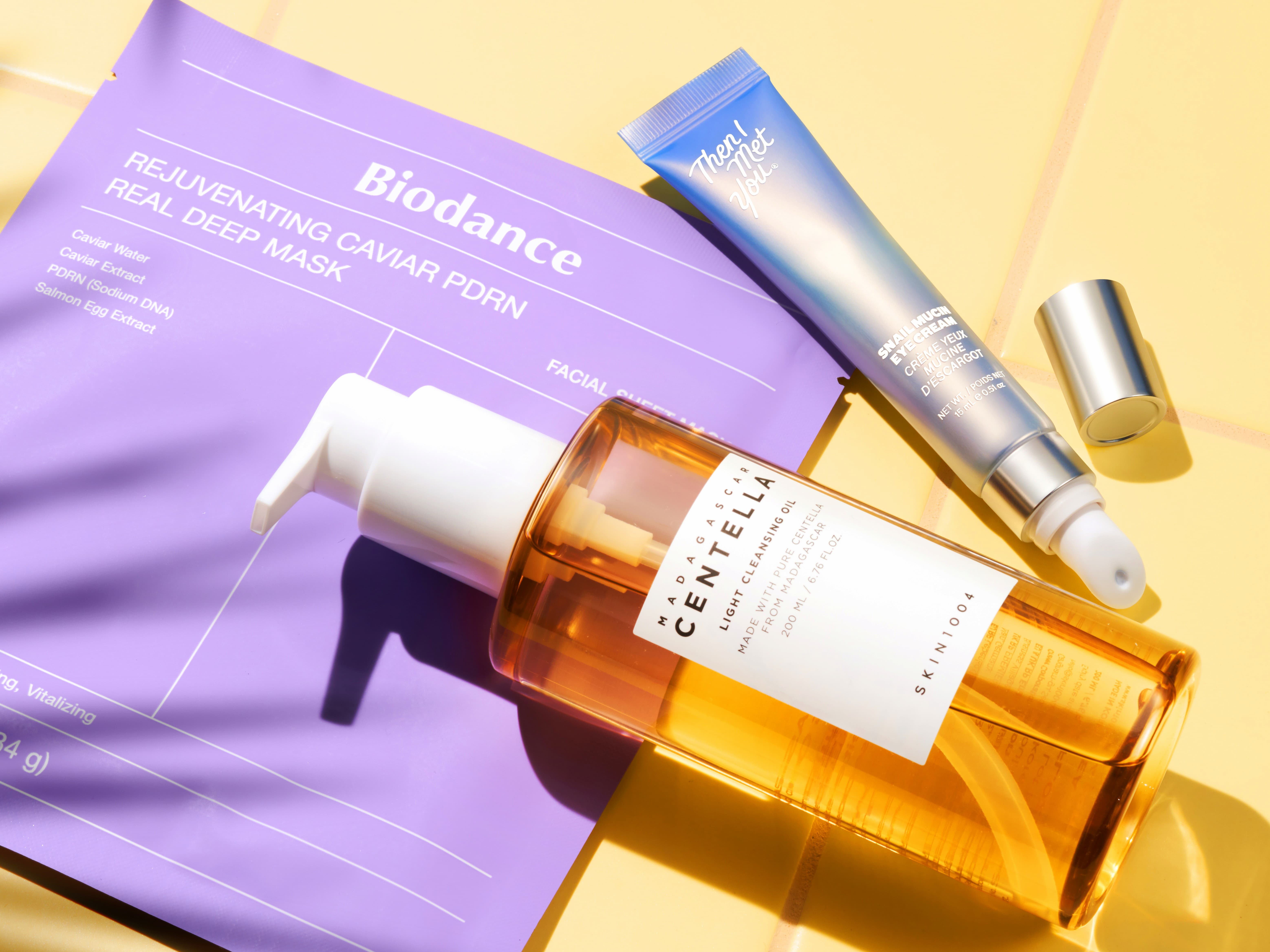
If there’s one ingredient you’ll notice everywhere right now, it’s PDRN. From viral skincare launches to the latest treatments popping up in your local facial clinic, this buzzy ingredient is everywhere. You may recognise its more popular nickname, “salmon sperm”, as PDRN is traditionally derived from salmon DNA, although you’ll now also find some clever vegan alternatives. And while the name might raise a few eyebrows, the results are what have everyone talking, with PDRN helping to support skin recovery while leaving it looking healthier, smoother and more resilient.
"PDRN has really captured people’s attention because it sits at the intersection of innovation and results," says Julie. "Consumers are becoming much more interested in skin regeneration and recovery, with barrier health now taking priority over stronger actives." Found in Korean serums, ampoules and sheet masks, PDRN helps support the skin’s moisture barrier, encourages its natural repair and renewal process and helps stimulate collagen production for a plumper, more radiant-looking complexion. So, if your skin is feeling compromised, dehydrated or lacking its usual glow, PDRN is the ingredient for you.
Snail Mucin
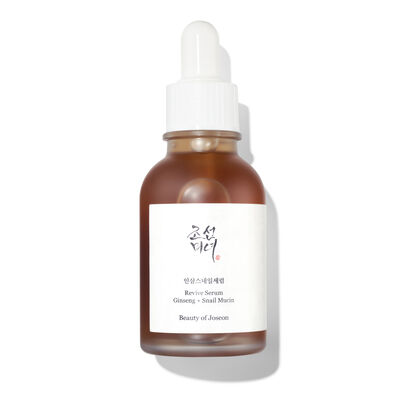
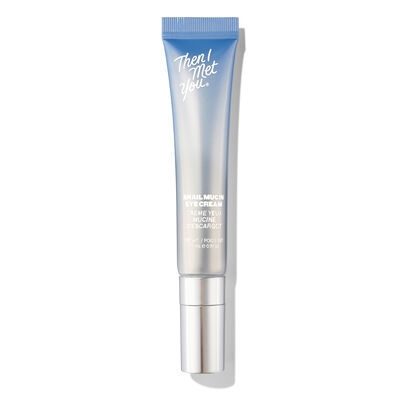
Snail mucin (you heard us right) is the ingredient that truly put K-Beauty on the map. Not only did it capture global attention, but it also changed the way we think about skin hydration. While the idea of putting snail slime on your skin might sound unusual, it's the glow-worthy results that have made it one of Korean skincare's most iconic ingredients. Better still, you'll now also find innovative vegan alternatives delivering the same skin-loving benefits.
Rich in naturally occurring humectants, nourishing glycoproteins and skin-conditioning compounds, snail mucin is loved for its ability to flood skin with hydration while soothing and supporting the skin barrier, which, as you'll know by now, sits at the heart of the K-Beauty philosophy. You'll most commonly find it in essences, serums and moisturisers, making it the perfect ingredient to reach for if you're after an instant glow and a plumper, smoother, more radiant complexion.
Centella Asiatica (Cica)
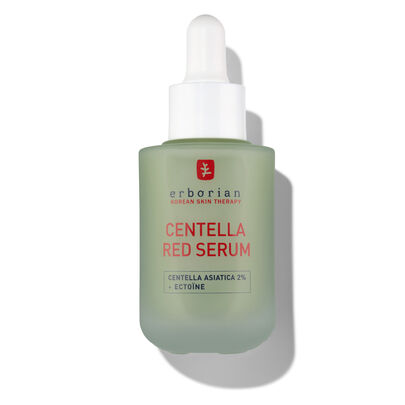
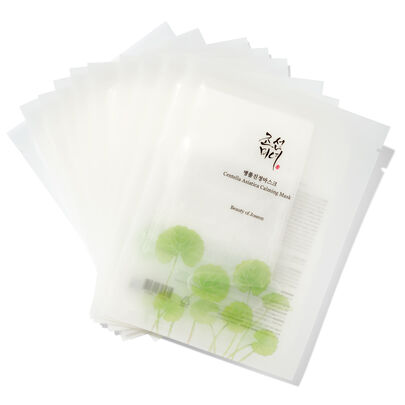
If your skin has ever felt stressed, irritated or just in need of a reset, it's time to get to know Centella Asiatica, often shortened to Cica. Also known as tiger grass, this leafy green herb is native to the wetlands of Asia, and the extract has become a staple in everything from serums to moisturisers and sheet masks thanks to its calming, comforting and barrier-supporting benefits.
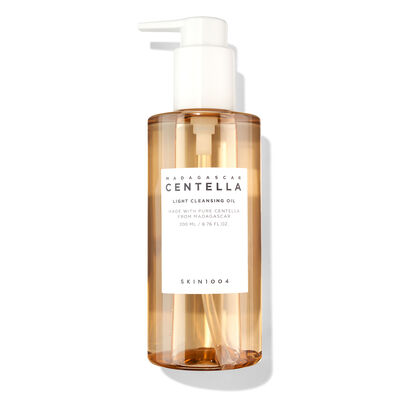
"We're seeing more people dealing with stressed skin, whether that's from environmental aggressors, over-exfoliation or simply using too many active ingredients at once," says Julie, explaining that Centella Asiatica has earned its powerhouse status thanks to its exceptional soothing properties. One of the brands that has truly championed the ingredient is SKIN1004, with its bestselling Madagascar Centella collection featuring it across almost every step of your routine, from cleansers and toners to its fan-favourite ampoule. Elsewhere, K-Beauty brand Erborian even reformulated its iconic CC Cream to include Centella Asiatica, further enhancing its redness-correcting benefits.
Rice & Fermented Ingredients
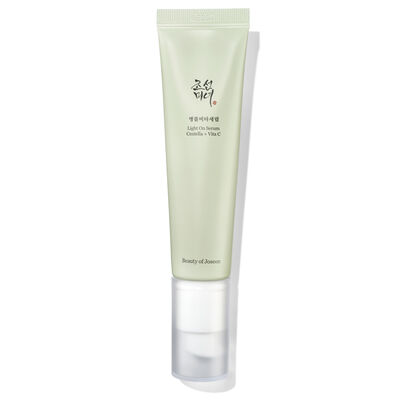
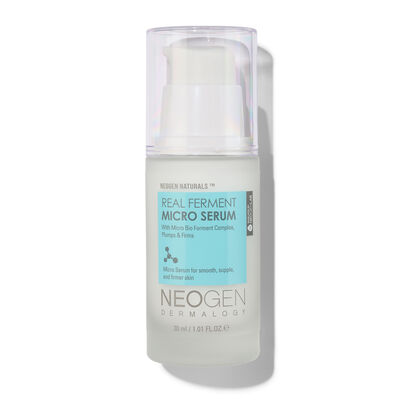
One of the best things about K-Beauty is that not every ingredient is a shiny new discovery; the movement is also about celebrating time-honoured skincare traditions. Rice is a perfect example. Used in Korean beauty rituals for centuries, it's loved for its ability to hydrate, brighten and soften the skin. Alongside rice, fermented ingredients such as soybean and yeast extracts have become another hallmark of Korean skincare. The fermentation process breaks these ingredients down into smaller molecules, making them easier for the skin to absorb while enhancing their skincare benefits.
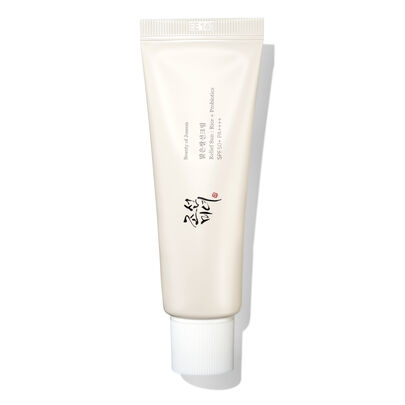
"I actually think fermented ingredients are still really underrated," says Julie. "Ingredients like fermented rice, soybean and yeast extracts deserve much more attention as more people focus on skin barrier health and longevity." You'll commonly find these ingredients in toners, essences and serums, where they help leave skin feeling hydrated, smoother and more radiant. Hero brands like Beauty of Joseon have built entire collections around rice, proving that some of Korean Beauty's oldest secrets are still among its most effective.
Niacinamide
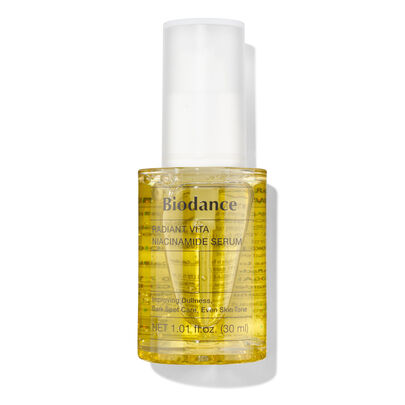
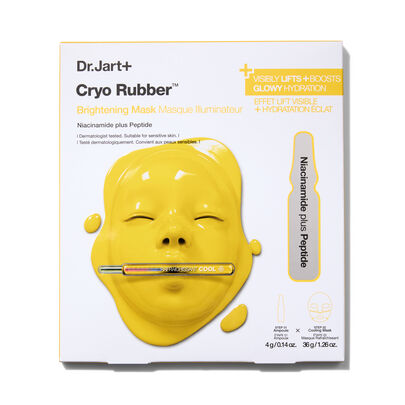
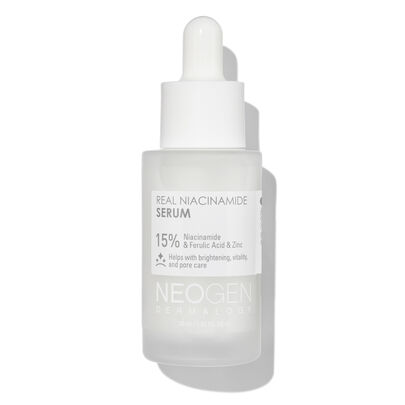
You'd be hard-pressed to find a skincare routine today that doesn't contain niacinamide. While the ingredient itself isn't unique to Korean Beauty, the K-Beauty approach to using it certainly is. Rather than relying on high-strength formulas, Korean skincare pairs niacinamide with hydrating and barrier-supporting ingredients to help brighten, balance and smooth the skin without compromising the skin barrier.
"Niacinamide is one of those ingredients that suits almost everyone," says Julie. "It's brilliant because it tackles multiple skin concerns at once, from uneven skin tone to excess oil, while also helping to support the skin barrier." In a Korean skincare routine, you'll often find it alongside ingredients like centella asiatica and rice extract, creating formulas that deliver visible results while remaining gentle enough for everyday use.
Green Tea Extract
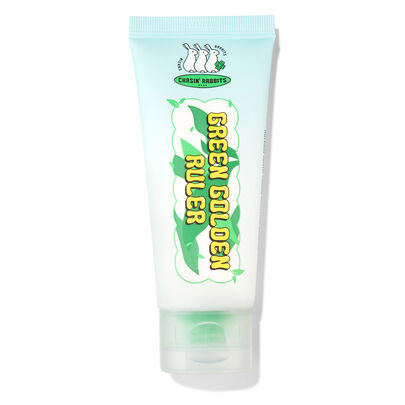
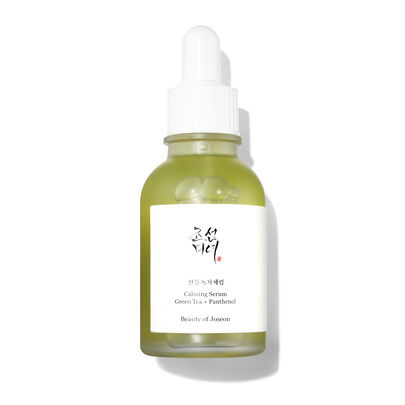
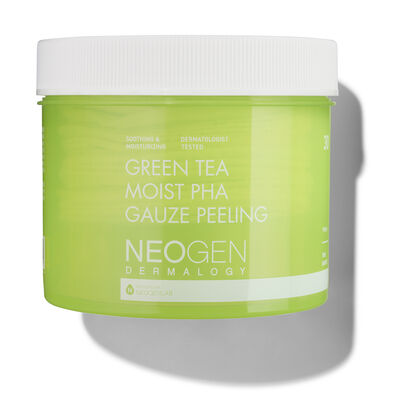
While we don't recommend drinking your skincare, green tea extract is another centuries-old K-Beauty secret you'll want to know about. Gentle enough to suit almost every skin type, yet hardworking enough to deliver impressive results, this antioxidant-rich ingredient has truly stood the test of time. It helps defend skin against everyday environmental aggressors while soothing visible redness, balancing excess oil and supporting a healthy-looking complexion.
"What makes ingredients like green tea so special is their versatility," says Julie. "They've been trusted in K-Beauty for years because they offer multiple benefits and have such a strong cultural heritage. Green tea is especially rich in antioxidants, helping to protect skin against environmental stressors while keeping the complexion calm and balanced." Whether you'll find it in a cleanser, serum, moisturiser or SPF, green tea works behind the scenes to help keep skin feeling comfortable, balanced and radiant.
Ginseng
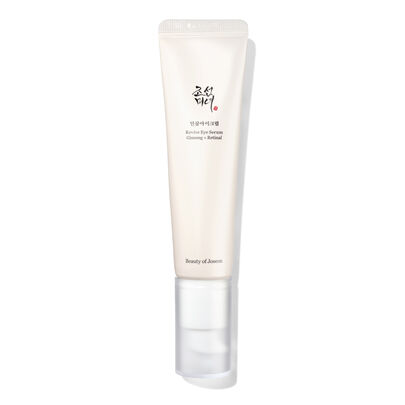
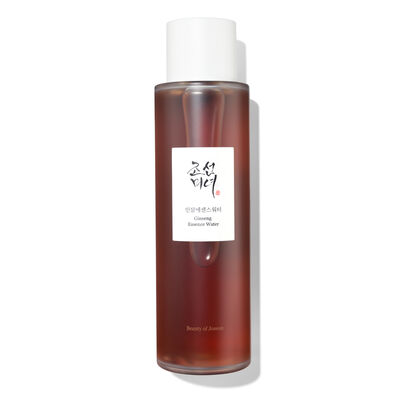
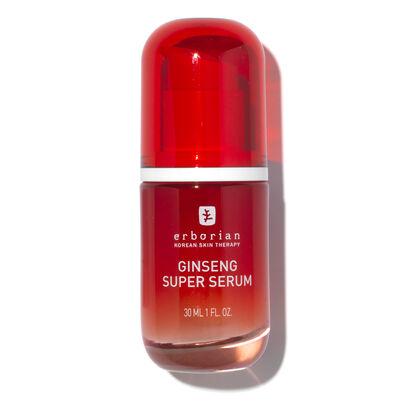
No Korean skincare ingredient guide would be complete without ginseng. The revered root has been used in traditional Korean practices and earned a lasting place in modern skincare thanks to its ability to energise and revitalise the complexion. “Rich in in antioxidants, ginseng is known for supporting skin vitality and helping to improve the appearance of firmness,” explains Julie.
"Ginseng is a great example of how Korean beauty blends tradition with innovation," says Julie. "It's stood the test of time because it's such a versatile ingredient, helping to nourish the skin while supporting a brighter, healthier-looking complexion." Today, you'll find ginseng in everything from cleansers and toners to serums and moisturisers, with brands like Beauty of Joseon championing the ingredient across bestselling formulas that celebrate its centuries-old skincare heritage.
Propolis
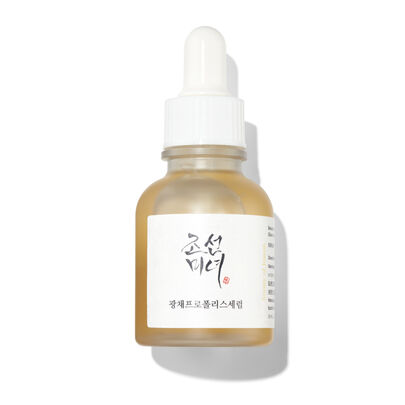
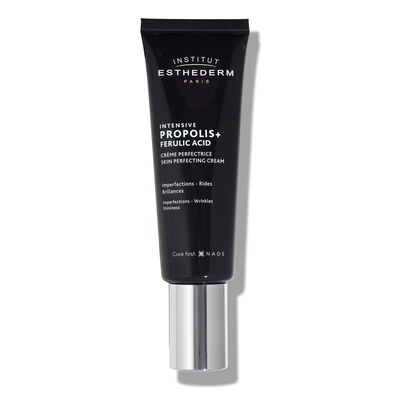
Propolis is an underrated ingredient for achieving that super fresh, dewy look. It’s a resin bees make by combining tree buds and sap with their own wax, and it's been gaining ground in Korean skincare thanks to its antioxidant and antibacterial properties. It contains flavonoids and phenolic acids, which act as antioxidants and help neutralise the free radicals behind inflammation and premature ageing. It also contains a compound called CAPE, which targets bacterial cell walls, making it particularly effective at fighting acne-causing bacteria
As for where that glow comes from, propolis works in a similar way to honey, helping your skin hold onto moisture. Used consistently, it can also help calm reactive skin, so if you're acne-prone or easily irritated, it's well worth checking out. Beauty of Joseon's Glow Serum is a good place to start, it combines propolis with niacinamide to instantly hydrate, minimise the look of pores, and soothe redness.
Institut Esthederm
Allantoin
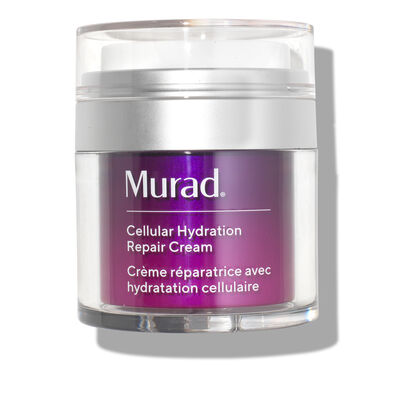
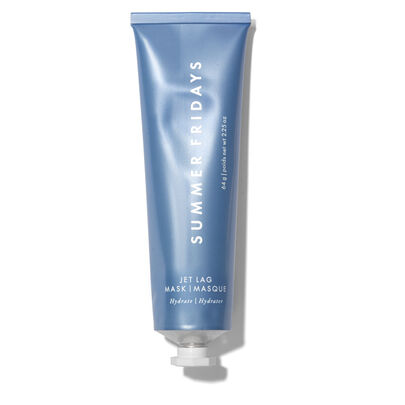
If you've been on your skin barrier repair journey, you might already know allantoin. It's a gentle compound found naturally in most organisms, including your own body, and derived from the comfrey plant, though the version in skincare is usually made synthetically for purity. It promotes natural filaggrin (a protein that maintains your skin barrier) and has been used for skin healing for over a century. Like hyaluronic acid, it's a humectant, drawing water up from your skin's lower layers, and hygroscopic, pulling moisture from the air.
“We’re all dealing with stressed skin in one way or another", says Julie. “So it's worth incorporating soothing, barrier-first ingredients into your routine to help ease those symptoms.” It's most commonly used in skincare designed for sensitive skin, like Dr Jart+ 's Soothing Mask, but also turns up in formulas with exfoliants, retinoids or other strong actives, where it acts as a buffer to reduce irritation and counteract dryness.
Mugwort
Mugwort is a calming, antioxidant-rich botanical that helps defend skin against everyday stressors like UV exposure and pollution. It hasn’t got quite the buzz behind it like PDRN or snail mucin (yet), but its soothing, anti-inflammatory benefits shouldn’t be overlooked for anyone with sensitive, eczema- or acne-prone skin. Particularly the latter, since it also has natural antibacterial properties that help keep acne-causing bacteria in check.
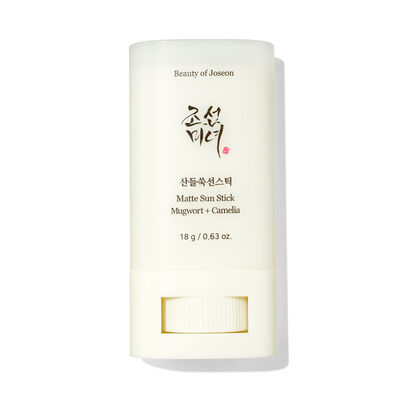
Like most Korean skincare ingredients, mugwort supports your skin barrier and helps with moisture retention, so naturally, you'll find it in toners and essences for daily calming hydration, or in serums and moisturisers for more targeted redness relief. Beauty of Joseon has tapped the ingredient for a few of its formulas, like the Matte Sun Stick, where, teamed with SPF 50, it effectively shields against environmental stressors like pollution.
It pairs well with other soothing ingredients like centella or heartleaf, but you should apply it at a different time to stronger actives like retinol or acids to avoid overloading your skin.
Read More
• What Is K-Beauty• The Bestselling Products From Erborian • Are Laneige's Bouncy & Firm Treatments Worth the Hype
