


Acids Page 2
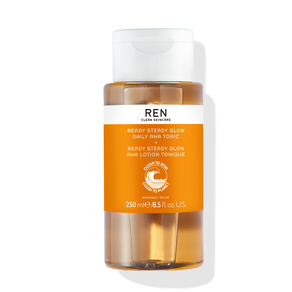
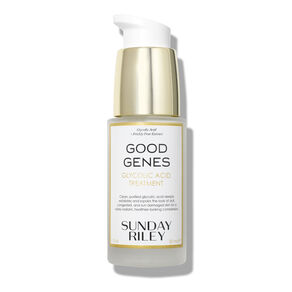
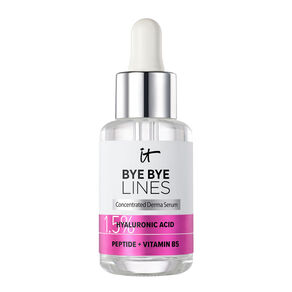
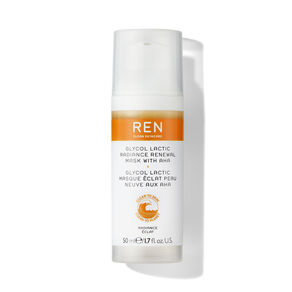
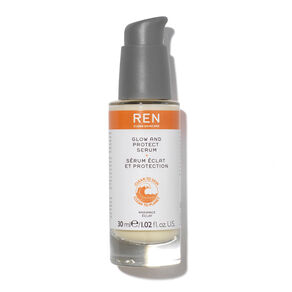
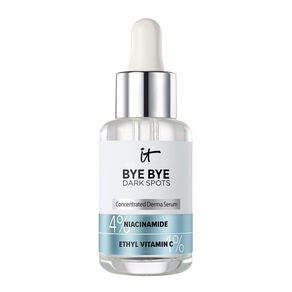
Acids are the power players of the skincare world. From AHAs and BHAs to PHAs, these multi-tasking ingredients exfoliate, refine texture, and help diminish dark spots for brighter, smoother, more even skin with a glowing finish. Explore these versatile ingredients across toners, serums, moisturisers, and more in our edit.
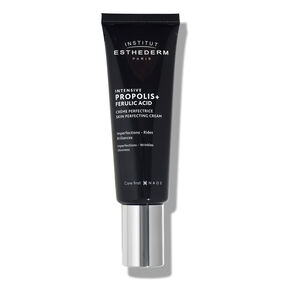
Institut Esthederm
Price reduced from
£54.00
to
£35.10
35% OFF

Your Questions, Answered
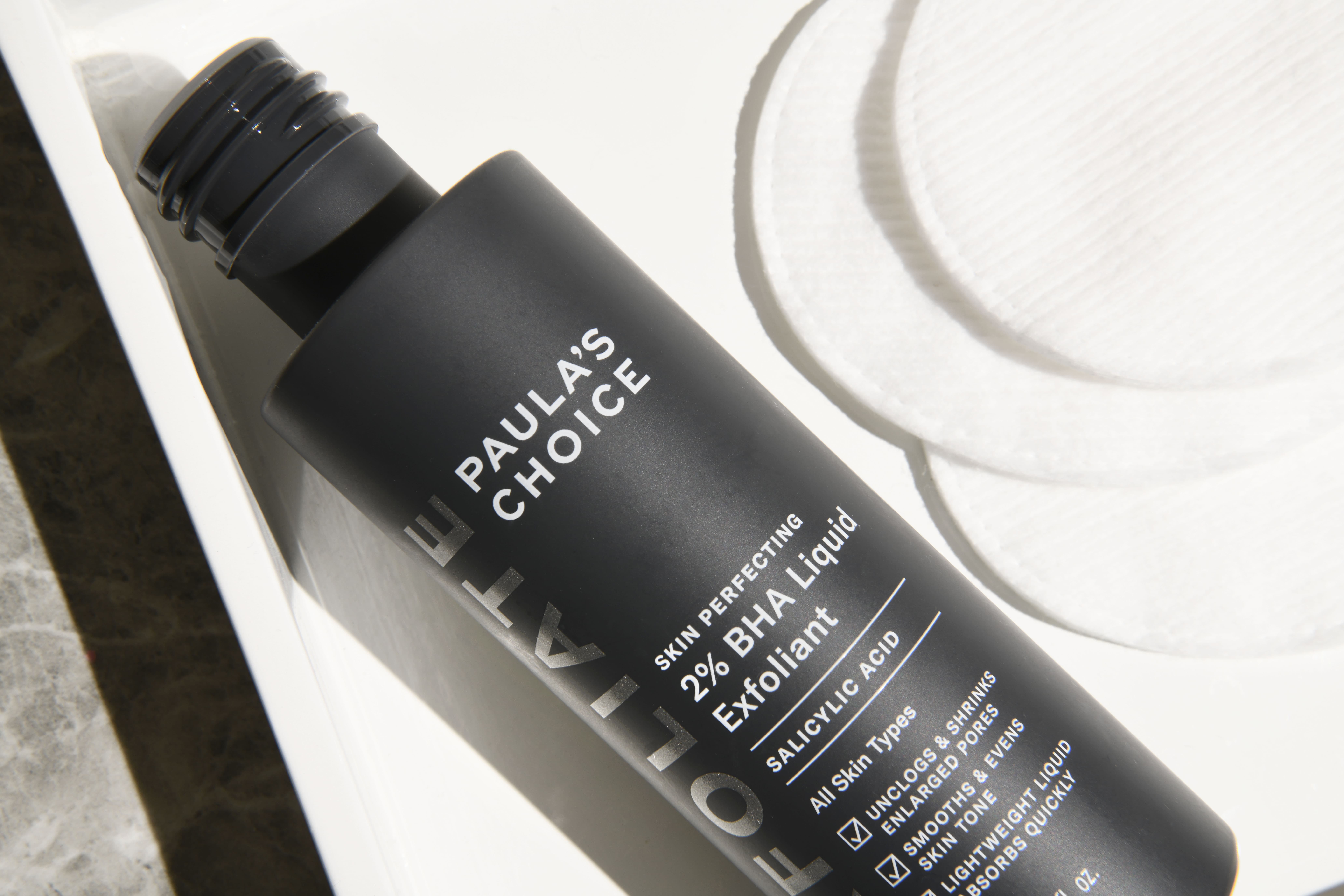
Skincare acids come in three types: AHAs (like glycolic, lactic, and mandelic acid) smooth the skin’s surface, BHAs (like salicylic acid) clean inside pores, and PHAs (like gluconolactone and lactobionic acid) gently exfoliate, making them good for sensitive skin.
These powerful exfoliants work by removing dead skin cells and boosting cell turnover, helping to refine texture, even out tone, clear congested pores, and reveal a brighter, smoother-looking complexion.
It depends on the type of product you’re using. If it’s a toner with exfoliating acids, apply it after cleansing and before your serums or treatments. If it’s a serum with exfoliating acids, use it after cleansing and toning, but before moisturiser. As a general rule, apply your skincare from thinnest to thickest consistency.
It’s also best to apply exfoliating acids at night, as they can make your skin more susceptible to UV damage.
Vitamin A (retinol or retinal) shouldn’t be used alongside exfoliating acids (AHAs, BHAs or PHAs), as this can lead to over-exfoliation and weaken the skin barrier. Vitamin C and retinol are another pairing to avoid, as they work best at different pH levels and can become less effective when used together. Instead, use vitamin C in the morning with SPF, and vitamin A at night. Speak to our customer service team or pop into your local store for tailored advice.
Speak to our customer service team or pop into your local store for tailored advice.
