

How To Prevent Hair Shedding According To A Trichologist
Why is my hair shedding?
Most people have around 100,000 hairs on their heads and typically lose between 50 and 100 hairs each day as part of the normal hair growth cycle. Each hair follicle undergoes a growth stage that lasts between two and eight years, followed by a resting stage, known as the telogen phase, before the hair falls out and a new one begins to grow in its place. At any given time, around 85 to 90% of hair follicles are actively growing, while roughly 10 to 15% are resting and preparing to shed.
If you think you're losing more than usual, there could be a number of reasons why. "Friction from shampooing, brushing, styling, chemical treatments (including colouring), heat exposure and lack of moisture are all common factors," says Michele Burgess, Executive Director of Product Development at Oribe.
"Hair shedding can be caused by many factors like hormone changes, stress, some medications, and postpartum as well as by mechanical tension like wearing tight braids or head coverings," explains Seth Catalano, Head of Education at Caudalie.
In some cases, excessive shedding may be linked to a condition known as telogen effluvium (TE), a common and usually temporary form of hair loss. "This is a reactive type of hair loss," explains Anabel Kingsley, Lead Trichologist and Brand President at Philip Kingsley. "It occurs due to some sort of internal imbalance or health disrupter, like a nutritional deficiency or poor diet, a thyroid issue, extreme stress, high fever, post-partum or from rapid weight loss."
What can I do to stop my hair shedding?
The key to minimising hair shedding caused by breakage is keeping your hair healthy, hydrated and strong. The best place to start is with the basics.
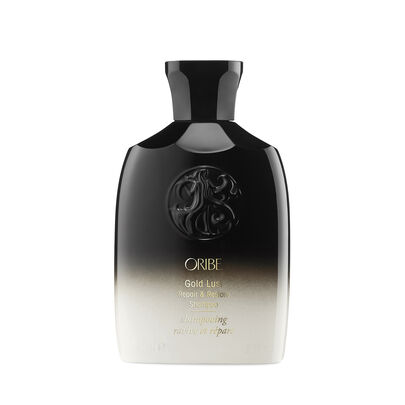
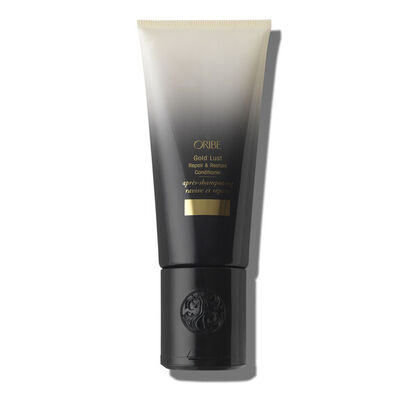
"A shampoo and conditioner that strengthens and hydrates hair like Oribe's Gold Lust Repair & Restore Shampoo and Conditioner are essential," says Michele. "These products contain a bio-restorative complex that reinforces the inner strength of each strand, minimising shedding caused by breakage."
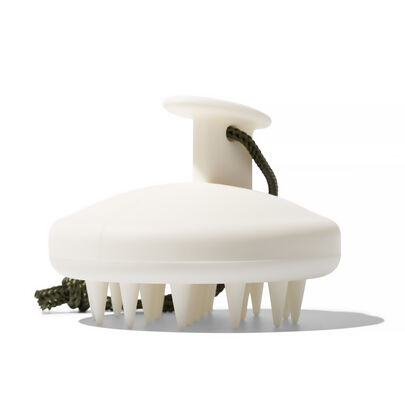
Incorporating scalp care into your routine can also help, after all, healthy hair starts with a healthy scalp. Seth explains a little further: "Hair loss can be limited by stimulating dormant follicles to restart growth and promoting blood circulation around the follicles to deliver nutrients," he explains. "Both of these factors are accomplished with Caudalie's patented VineOxyl™. This key technology is proven to increase hair density, volume and reduce hair shedding."
What ingredients should I look for?
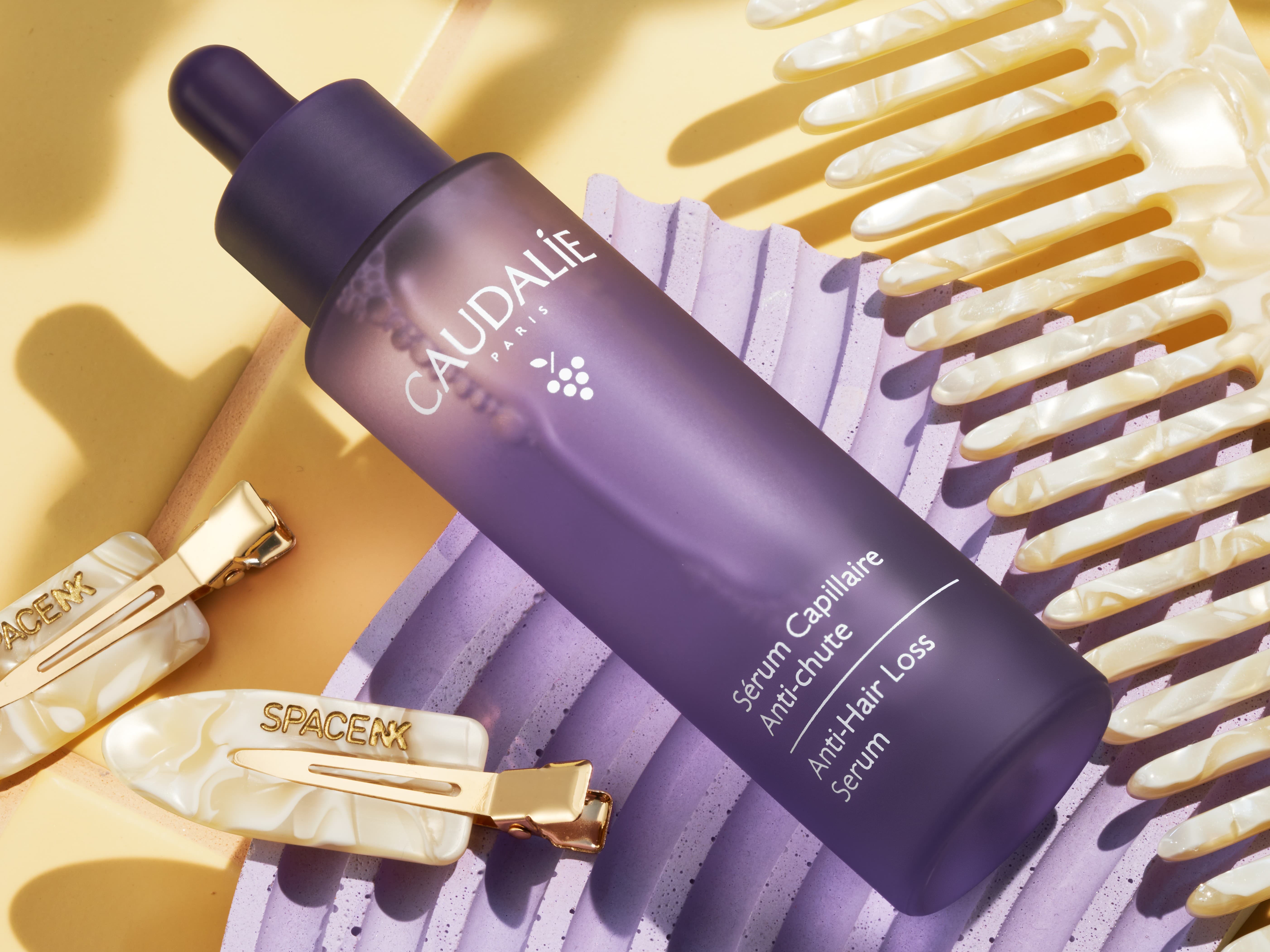
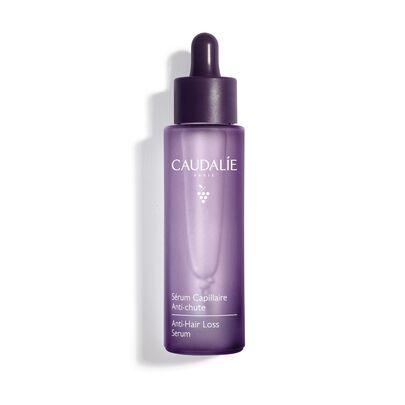
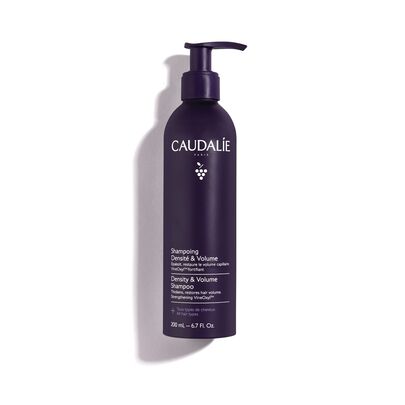
Caudalie Anti-Hair Loss Serum for Hair Thickening, Volume & Growth with Peptides, £ 37,00 and Density & Volume Shampoo both feature the brand's proprietary VineOxyl™ technology. "I suggest pairing Caudalie's Anti-Hair Loss Serum with the Density and Volume Shampoo, which both feature VineOxyl™," says Seth.
Hydrating oils like avocado and shea butters can help nourish from root to tip, while proteins, vitamins, amino acids, biotin and niacinamide can help to strengthen your hair.
Will changing my styling routine make my hair healthier?
Absolutely. If you're tugging at wet hair, blow-drying on high heat every day or regularly colouring your hair, it may be worth rethinking your routine. Small changes can make a big difference when it comes to reducing breakage-related shedding.
Try limiting the amount of time you spend heat styling and always use a heat protectant. These formulas help defend against damage while supporting moisture levels and elasticity, making hair less prone to snapping.
"Our hair is the most vulnerable when it's wet, so before combing or brushing wet hair, it's always worth adding a prep product," says Michele.
When should I be concerned about hair shedding?
While some daily shedding is completely normal, we recommend seeking advice from a GP, dermatologist or trichologist if you notice a sudden increase that lasts for several months, significant thinning, widening of your parting, bald patches or shedding following illness, rapid weight loss or major stress.
The reassuring news is that many forms of shedding are temporary. "Once the trigger is found and addressed, hair will grow back," says Anabel. "In fact, in some cases it stops on its own with no treatment needed."
Ultimately, identifying the cause of your shedding is the most important first step. Once you understand what's triggering it, whether that's heat damage, hormonal changes, stress or nutritional factors, you can create a routine that supports healthier, stronger hair growth over the long term.
