


Face SPF
Make daily sun protection effortless with our wide range of facial sunscreens. From mineral and chemical SPF to matte, dewy, tinted, and untinted formulas, discover the perfect daily SPF that fits seamlessly into your routine.
Your Questions, Answered
SPF stands for Sun Protection Factor. The number that comes after it (typically 30 or 50) indicates how effectively it will keep you protected from UVB rays.
Apply SPF as the final step in your morning routine, around 30 minutes before you go out in the sun. For the correct amount, follow the two-finger rule: squeeze or spread sunscreen along the length of your index and middle fingers to ensure full, effective coverage. For prolonged sun exposure, reapply every two hours.
The higher the SPF, the longer and more effectively it protects your skin from the sun. SPF 15–30 offers mild protection, SPF 30+ is considered high protection. SPF 30 can block up to 97% of UVB rays, while SPF 50 can block up to 98%.
SPF 30 may be fine during winter or for mostly indoor days, but for extended outdoor activity, SPF 50 is your best choice.
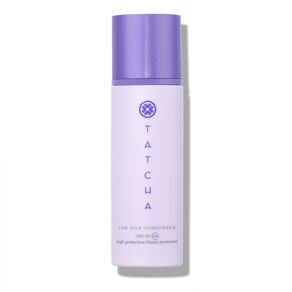
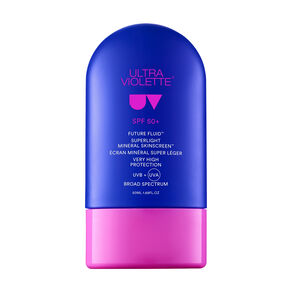
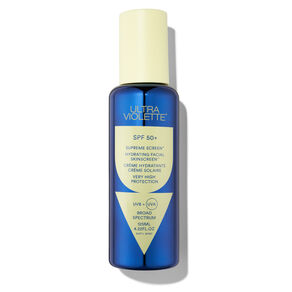
Yes, wearing sun protection every day is a great habit. If you’re indoors all day, it isn’t essential - but whenever you step outside, your skin should be protected. The key is finding a formula you love to use that feels like part of your skincare routine. We particularly recommend Caudalie's sunscreens for their invisible, skin-first formulas, as well as Supergoop!, Ultra Violette and Tatcha.
SPF 50 blocks up to 98% of UVB rays, providing very high protection against UV damage - but no sunscreen offers complete protection. Reapply every 2 hours and after swimming or sweating to keep your skin safe.
The difference between mineral and chemical sunscreens is that mineral sunscreens shield from UV rays, while chemical sunscreens absorb them. Both mineral and chemical filters protect your skin from UV rays as long as you apply your SPF correctly.
