

The Difference Between AHAs, BHAs & PHAs Explained
Apprehensive about resembling the post-chemical peel visage of Sex and the City’s Samantha Jones? Don’t be. When used correctly, you’ll see substantial changes in your skin’s texture and tone in as little as a week, with results improving over time.
There are three types of hydroxy acids to get acquainted with: AHAs, BHAs and PHAs. While AHAs and BHAs are the most well-known, PHAs are quickly gaining a reputation as the gentler, skin-barrier-friendly alternative. All three acids exfoliate, but they do so in slightly different ways depending on your skin type and concerns
What are AHAs?
AHAs (alpha hydroxy acids) are water-soluble acids that work in the upper layers of your skin, where they loosen the bonds that hold dead skin cells together, triggering a gentle exfoliating effect.
Think of your skin like a brick wall: AHAs dissolve the “cement” between the bricks (your skin cells), allowing dull, dead cells to fall away more easily. What’s left behind is fresher, smoother skin that reflects light better (hence the glow).
“AHAs are ideal for normal to dry and sun-damaged skin,” says Heather Wish, lead education manager at Paula's Choice. “They target concerns such as uneven skin tone, rough texture and fine lines, while also helping to support hydration levels.”
There are five types of AHAs that skincare pros recommend, and each one has a slightly different benefit:
Glycolic acid: Made from sugarcane, studies show that glycolic acid helps to initiate collagen synthesis and boost hyaluronic acid levels in the lower layers of your skin, helping plump fine lines and wrinkles. It’s the strongest of all the AHAs, thanks to its small molecule size that can penetrate quickly.
Lactic acid: Cleopatra's famed milk baths were ahead of their time, harnessing lactic acid from sour milk for skincare. This AHA, now synthetically produced, offers a gentler exfoliation due to larger molecules, making it ideal for sensitive skin because it works at a slower pace. At 5%, it doubles as a humectant, attracting moisture, making it a winner for dry skin.
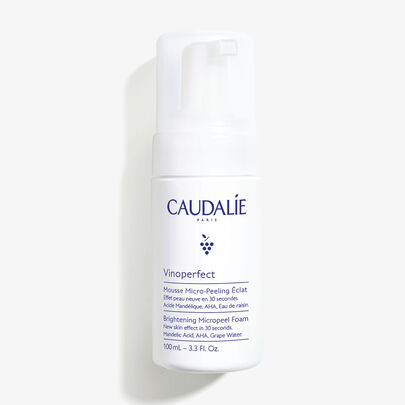
Mandelic acid:Research has shown that mandelic acid matches glycolic's efficacy in treating sun-induced pigmentation, but with milder side effects. Its larger molecules mitigate irritation by penetrating slowly (even slower than lactic). Despite its gentle nature, it exfoliates effectively, lifting surface pigmentation and, unlike other AHAs, it inhibits melanin production in deeper skin layers, compensating for its slower action with profound effectiveness.
Malic acid: Mainly derived from grapes, apples, pears and cherries, malic acid is gentle on the AHA and is mostly used to boost the efficacy of other AHA exfoliants such as glycolic and lactic acid.
Citric acid: This AHA is known to help improve signs of sun damage while also improving the quality of the dermal matrix. Make sure it’s included in the description, as some brands use it as a preservative rather than an active ingredient.
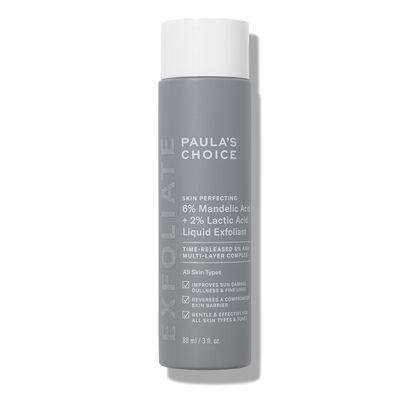
Paula's Choice
What are BHAs?
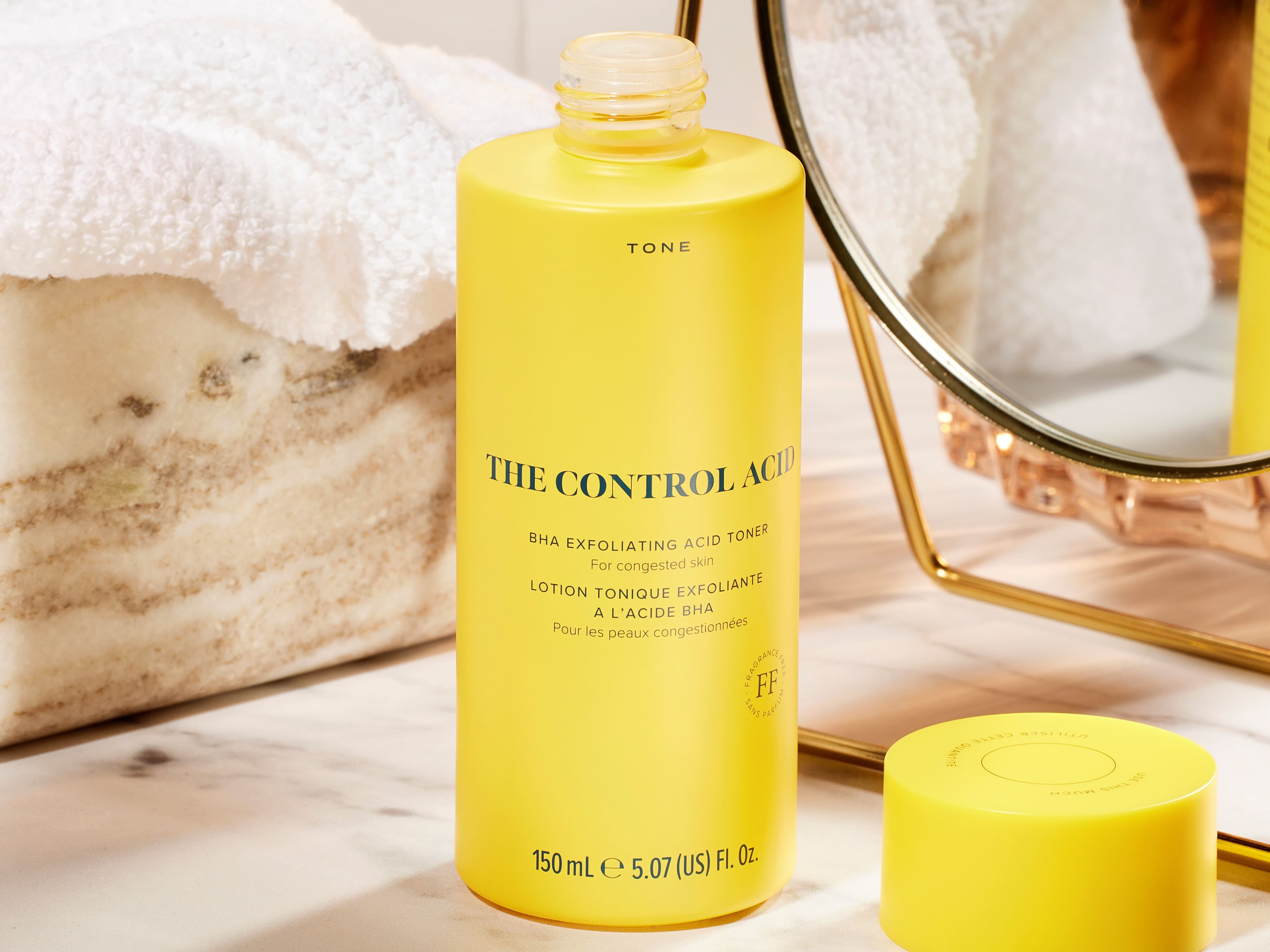
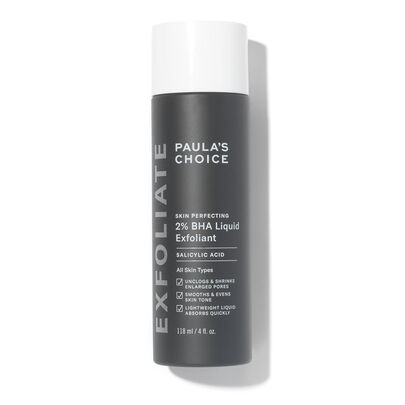
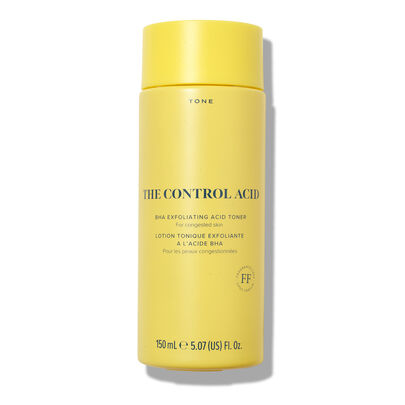
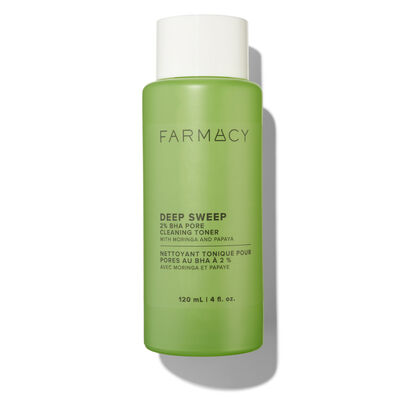
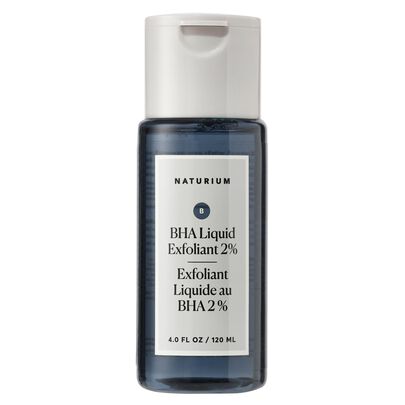
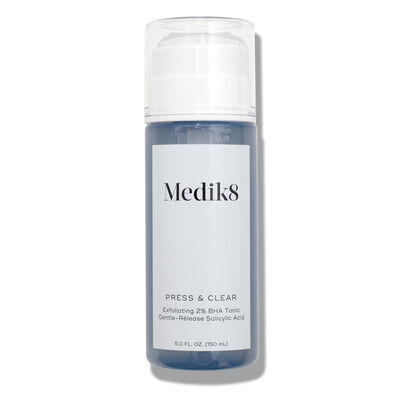
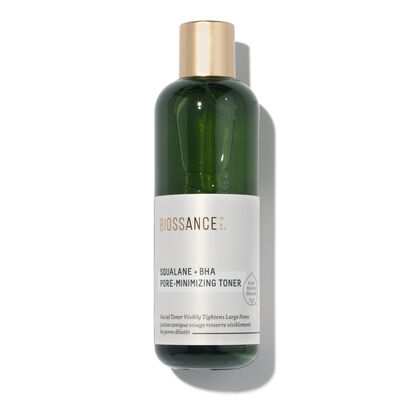
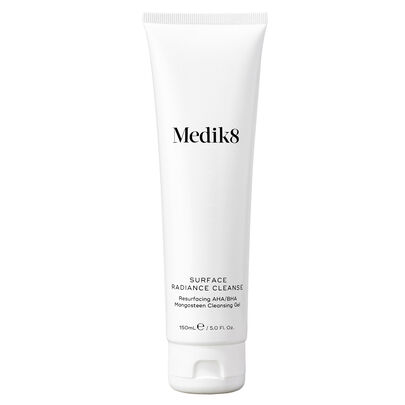
BHAs (beta hydroxy acids) are oil-soluble, meaning they can cut through oil and penetrate deep into pores. This makes them especially effective for oily, congested or acne-prone skin.
Unlike AHAs, which come in multiple forms, salicylic acid is the only BHA used in skincare. It’s derived from willow bark and works by exfoliating within the pore lining, clearing out dead skin cells, excess sebum and debris that can lead to blackheads and breakouts. It also has natural anti-inflammatory properties, helping to calm redness while preventing future congestion.
You’ll only ever find salicylic acid in 2% in skincare formulas, as this is the limit for products sold over the counter. However, it appears in various types of products, from cleansers and masks to serums and pimple patches.
What are PHAs?
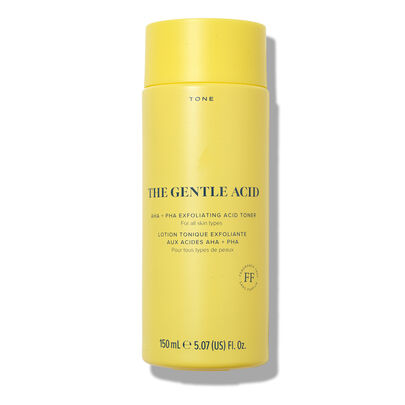
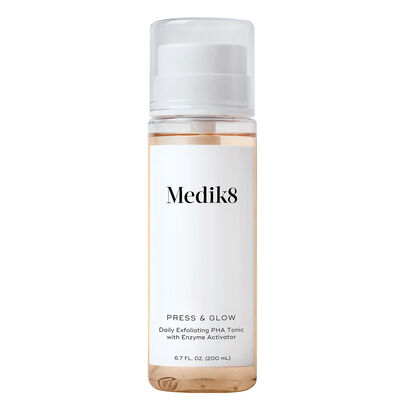
Like AHAs, PHAs (polyhydroxy acids) work on the skin’s surface, but their larger molecular size means they penetrate more slowly, reducing the likelihood of sensitising side effects. Common examples include gluconolactone and lactobionic acid.
“PHAs are the best choice for gentle, surface-level exfoliation, meaning they’re suitable for all skin types, including sensitive and reactive skin,” says Dan Isaacs, director of research at Medik8. “Beyond removing dead skin cells to reveal a smoother, more radiant complexion, PHAs also help attract and retain moisture, strengthen the skin barrier and provide protection against free radicals and UV damage.”
“PHAs don’t have as much research behind them, but they’re still effective and worth a try if your skin doesn’t respond well to AHA or BHA,” adds Heather.
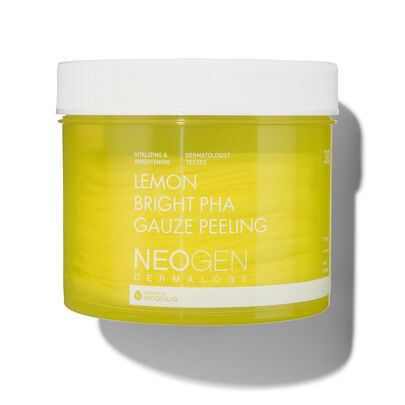
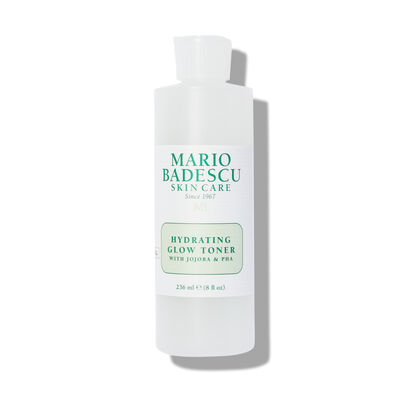
What is the difference between AHAs, BHAs and PHAs?
While all three types of hydroxy acids exfoliate, the key difference lies in how they work and who they’re best suited for.
- AHAs are water-soluble and work on the surface to improve radiance, texture and fine lines, making them ideal for dry, dull or mature skin.
- BHAs are oil-soluble and penetrate deep into pores to clear congestion, making them best for oily, acne-prone or breakout-prone skin.
- PHAs also work on the surface but in a much gentler way, making them suitable for all skin types - especially sensitive or reactive skin.
Can you use AHAs, BHAs and PHAs together?
Yes, these acids can be used together, and often are. Because they work in different ways, combining them can deliver both surface and deep exfoliation.
However, it’s important to introduce them gradually and monitor how your skin responds to avoid irritation or over-exfoliation. PHAs are often included alongside AHAs and BHAs to help buffer stronger formulas and make them more tolerable.
It’s also very important to always wear sunscreen during the day, as exfoliating acids can increase your skin’s sensitivity to UV damage.
How to use AHAs, BHAs and PHAs in your skincare routine
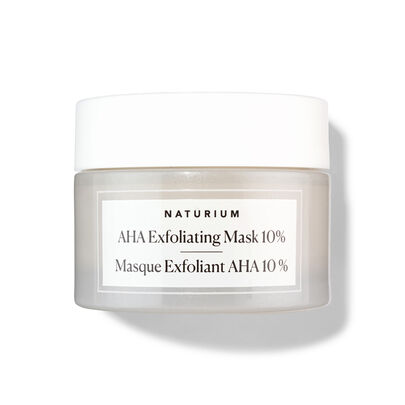
Typically, AHAs are best used in the evening so that they work with your skin’s overnight repair process, and because they can increase sun sensitivity. Start by cleansing your face, then apply your AHA product, allowing it to penetrate and exfoliate your skin's surface, then follow with your eye cream, serum and moisturiser. Depending on your skin's tolerance, AHAs can be used 2-3 times per week at strengths between 3% and 5%. You can increase your frequency and strength (some formulas go up to 10%) as needed.
On the other hand, BHAs are oil-soluble and work well for oily and/or acne-prone skin. They can be used in the morning or evening either in a cleanser or as a treatment, targeting blackheads and acne. Similarly, follow with serums, moisturiser and SPF if using in the morning. BHAs can also be used 2-3 times per week initially, gradually increasing frequency if tolerated well.
PHAs are generally gentle enough for more frequent use, with some formulas designed for daily or even twice-daily application. However, as with any exfoliant, it’s best to start slowly and build up over time.
Always remember to monitor your skin's response. Over-exfoliation can lead to irritation and sensitivity, so it's crucial to find the right balance for your skin type. And don’t skip SPF! Daily sun protection is essential when using exfoliating acids.
Key takeaways on the difference between AHAs and BHAs
BHAs dive deep into pores, making them ideal for tackling acne and blackheads. AHAs work on the surface, gently sloughing away dead skin cells to boost brightness and smooth texture. PHAs also exfoliate at the surface, but with a lower risk of irritation, while helping to draw in moisture and deliver antioxidant protection.
Read More
• The Best Vitamin C Serums and Creams• How does Niacinamide Skincare Work? • Our Beginner's Guide to Retinol
• Can you use vitamin C with retinol?
